Types of Home Temple Designs: A Complete Guide for Indian Homes
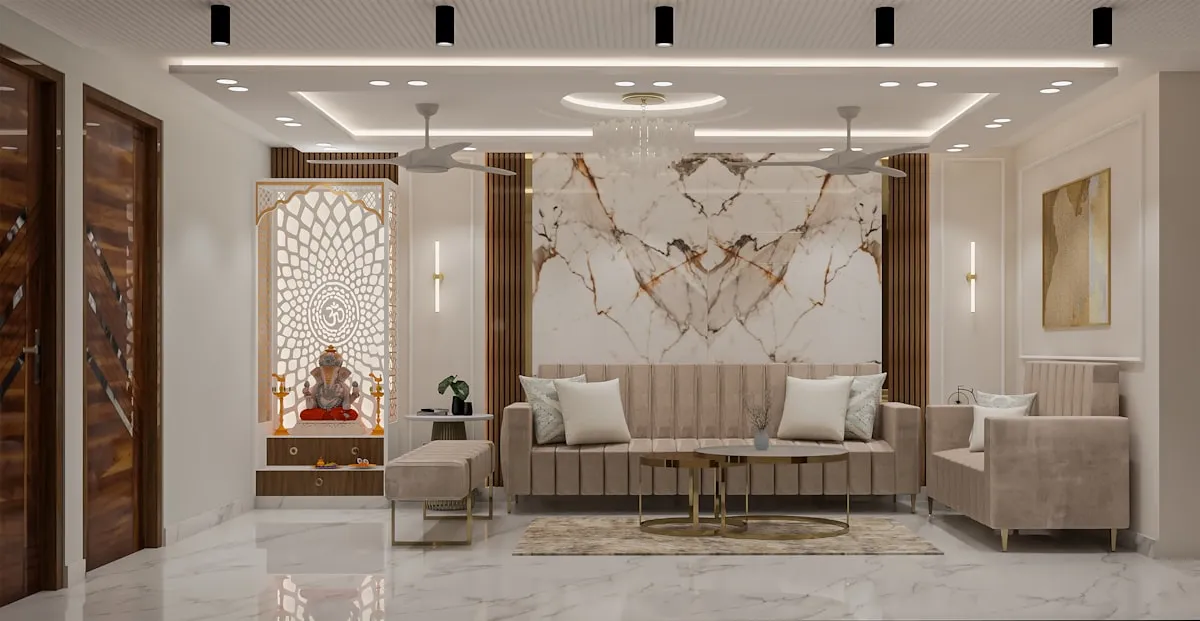
A home temple (mandir) is the spiritual core of any Indian household. Whether you live in a modern apartment in Surat or a sprawling bungalow in Navsari, having a dedicated space for daily prayers and meditation brings immense peace and positivity to your home.
However, choosing the right mandir design can be overwhelming. From intricate traditional carvings to sleek modern silhouettes, there are numerous options available. At Jay Bhavani Furniture, we’ve spent years handcrafting custom solid wood temples. In this guide, we will break down the most popular types of home temple designs to help you find the perfect fit for your space and Vastu requirements.
1. The Classic Floor-Resting Mandir
The floor-resting temple is the most traditional and highly sought-after design in Indian homes. These are standalone, heavy units that command presence and respect in any room.
- Best For: Independent homes, large apartments, or dedicated pooja rooms.
- Key Features: They typically feature a large base with built-in storage (drawers and cabinets) for your pooja samagri (incense, diyas, books). Above the storage sits the main platform for idols, topped with a beautifully carved shikhar (dome).
- The Solid Wood Advantage: Because these units are designed to last generations, they are best crafted from premium Rosewood (Sevan). Sevan wood is traditionally considered the most auspicious and sacred wood for home temples in Gujarat. Its natural grain paired with a high-gloss PU or Melamine polish gives the mandir a divine, timeless aura.
2. Space-Saving Wall-Mounted Mandirs
As urban living in cities like Mumbai, Ahmedabad, and Pune becomes more compact, dedicating an entire room or floor corner to a mandir isn’t always possible. Enter the wall-mounted mandir.
- Best For: Compact apartments, hallways, or living room accent walls.
- Key Features: These temples are securely bolted to the wall at eye level (or higher, respecting Vastu). They often feature floating shelves, intricate jali (lattice) work doors, and a small pull-out tray for lighting diyas safely.
- Design Tip: A wall-mounted mandir built with solid wood ensures the structural integrity needed to safely hold brass idols and heavy frames without sagging over time.
3. The Corner Temple (L-Shaped)
Corner temples are a brilliant architectural solution for awkward or unused spaces.
- Best For: Maximizing dead corners in living rooms or bedrooms.
- Key Features: Designed specifically with a 90-degree back, these mandirs fit snugly into any corner. They offer the grandeur of a floor-resting temple but take up significantly less square footage.
- Vastu Note: Vastu Shastra highly recommends placing the mandir in the North-East corner (Ishan Kone) of the house. A custom-built corner temple fits perfectly into this philosophy.
4. Wardrobe or Cabinet-Integrated Mandirs
For homes adopting an ultra-modern, minimalist aesthetic, a visible traditional temple might clash with the interior design.
- Best For: Contemporary homes, studio apartments, or bedrooms.
- Key Features: The mandir is built seamlessly into a larger wardrobe, TV unit, or wall-to-wall cabinetry. Behind beautiful, custom-carved solid wood doors lies a fully functional pooja space. When closed, it blends flawlessly with the modern room decor.
5. The Open Platform (Pooja Console)
An open platform is the most minimalist approach to a home temple.
- Best For: Minimalist interiors and homes with large, beautiful statues.
- Key Features: Instead of a closed box with a dome, this design utilizes a stunning solid wood console table or floating shelf. The backdrop might feature CNC-cut wooden panels, backlit onyx marble, or traditional wallpaper.
- The Craftsmanship Focus: Because the structure is simple, the focus falls entirely on the quality of the wood. A thick, rich slice of polished Teak wood serves as the perfect, respectful base for your deities.
Why Choose Custom Solid Wood for Your Mandir?
When you buy a mass-produced mandir online, you are often getting engineered wood (MDF or Particle Board) covered in a thin veneer. These materials degrade quickly when exposed to the heat of daily diyas, incense smoke, and occasional water splashes.
At Jay Bhavani Furniture, we believe a home temple is a one-time, generational investment.
- Purity: According to traditional Indian texts, natural materials like stone and solid wood are considered the most auspicious materials for housing deities. Specifically, Rosewood (Sevan) is highly revered in Gujarat as the purest wood for pooja mandirs, bringing positive energy and peace to the home.
- Durability: Solid Rosewood (Sevan) withstands heat, smoke, and weight effortlessly.
- Custom Carving: Factory-made furniture cannot offer the deep, intricate carvings of traditional Indian motifs (like lotuses, peacocks, and Om symbols) that skilled artisans can hand-carve into solid Sevan wood.
Ready to Build Your Dream Temple?
Whether you need a compact wall-mounted unit for a Surat apartment or a massive, intricately carved floor temple for a Navsari bungalow, we can design and build it to your exact Vastu specifications.
Contact us today for a free design consultation and bring divine elegance into your home.
About Jay Bhavani Furniture
Crafting custom modular kitchens, solid teak furniture, and space-saving wardrobes in Navsari and Surat since 1998. Every guide is vetted by our lead workshop craftsmen to help you design a home that lasts.
Our workshop story →Recommended Reading